
Top Dental Innovations Transforming Oral Care Today


Introduction to Dental Innovations
The world of dentistry is evolving rapidly, with technological advancements transforming the way oral care is delivered. From digital diagnostics to revolutionary treatment methods, these innovations are setting new standards in dental care. Let's explore the top dental innovations that are making waves today.
3D Printing in Dentistry
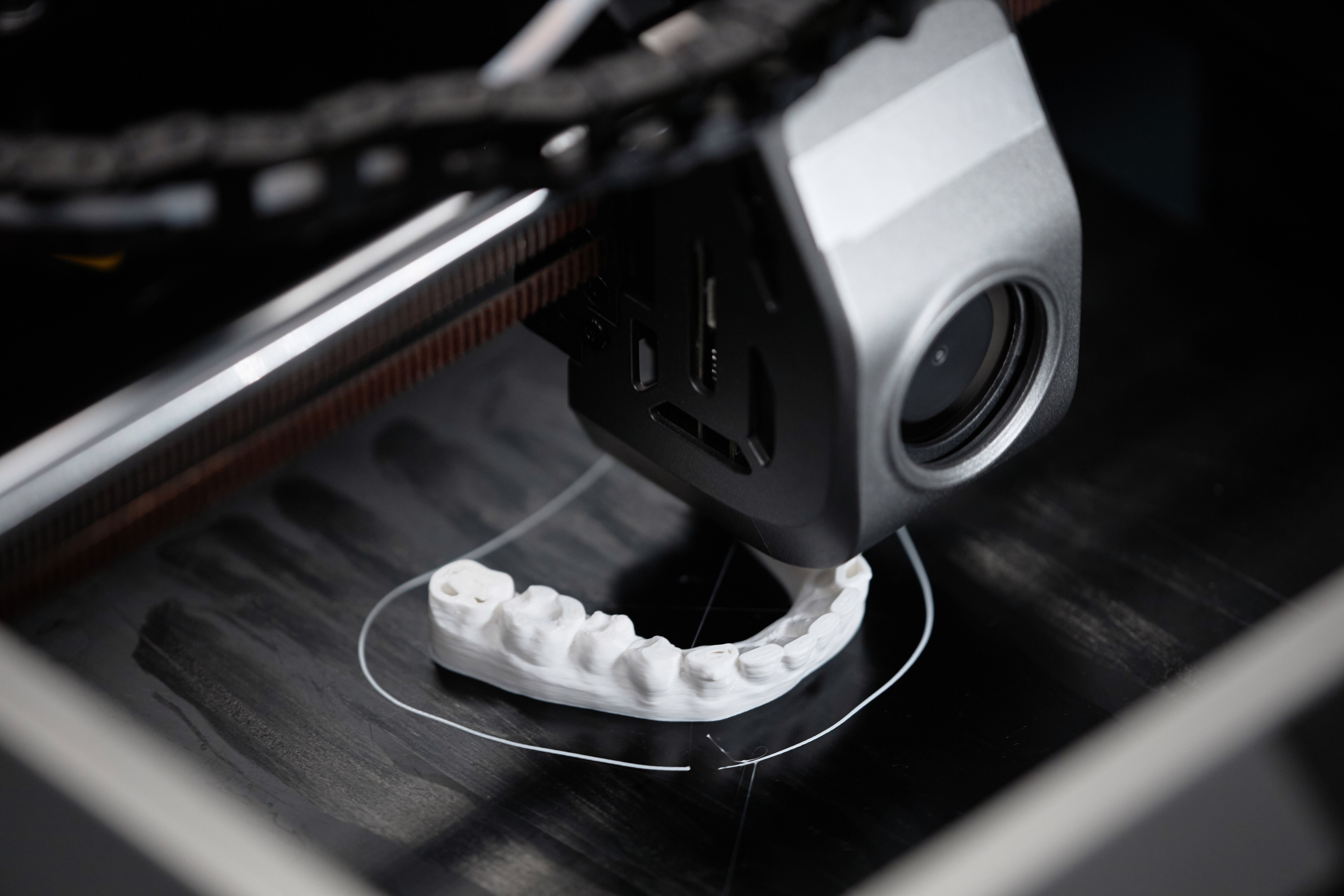
3D printing is revolutionizing the dental industry by enabling the production of highly accurate dental models, crowns, bridges, and even dentures. This technology allows for faster turnaround times and more precise fittings. Dentists can now offer patients customized solutions that enhance comfort and aesthetics.
Digital Impressions
Gone are the days of uncomfortable, messy impressions. Digital impression systems use advanced scanning technology to create highly accurate 3D images of a patient's teeth. This not only improves the patient experience but also enhances the precision of dental restorations.
Laser Dentistry
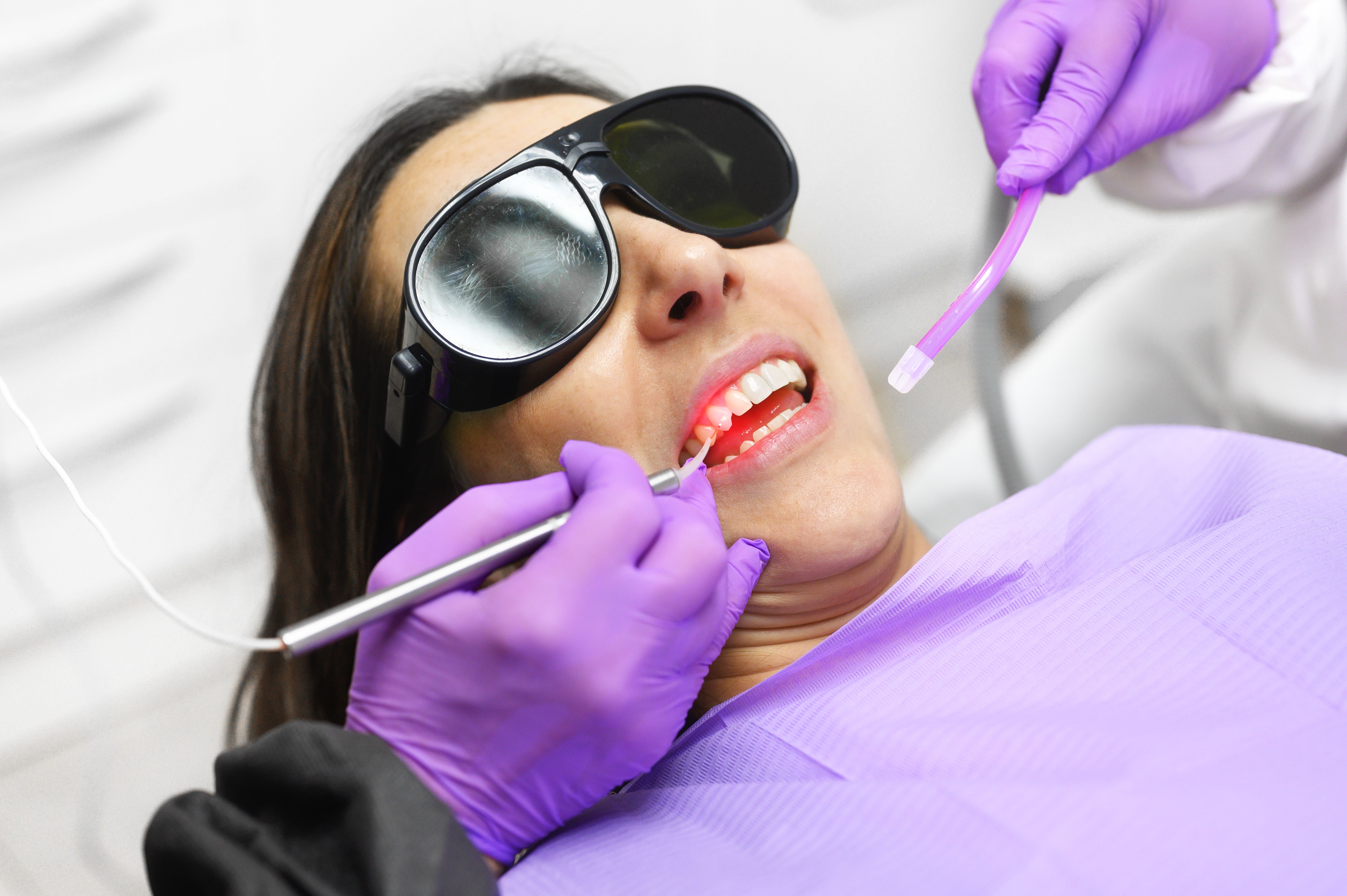
Laser technology is becoming a staple in modern dental practices. It offers a minimally invasive option for treating a variety of dental conditions, from gum disease to tooth decay. Patients benefit from reduced pain, faster recovery times, and less need for anesthesia.
Teledentistry
The rise of teledentistry has made it easier for patients to access dental care remotely. Through video consultations, dentists can provide advice, diagnose problems, and plan treatments without the need for an in-person visit. This is particularly beneficial for patients in remote areas or with mobility issues.
Artificial Intelligence in Oral Health
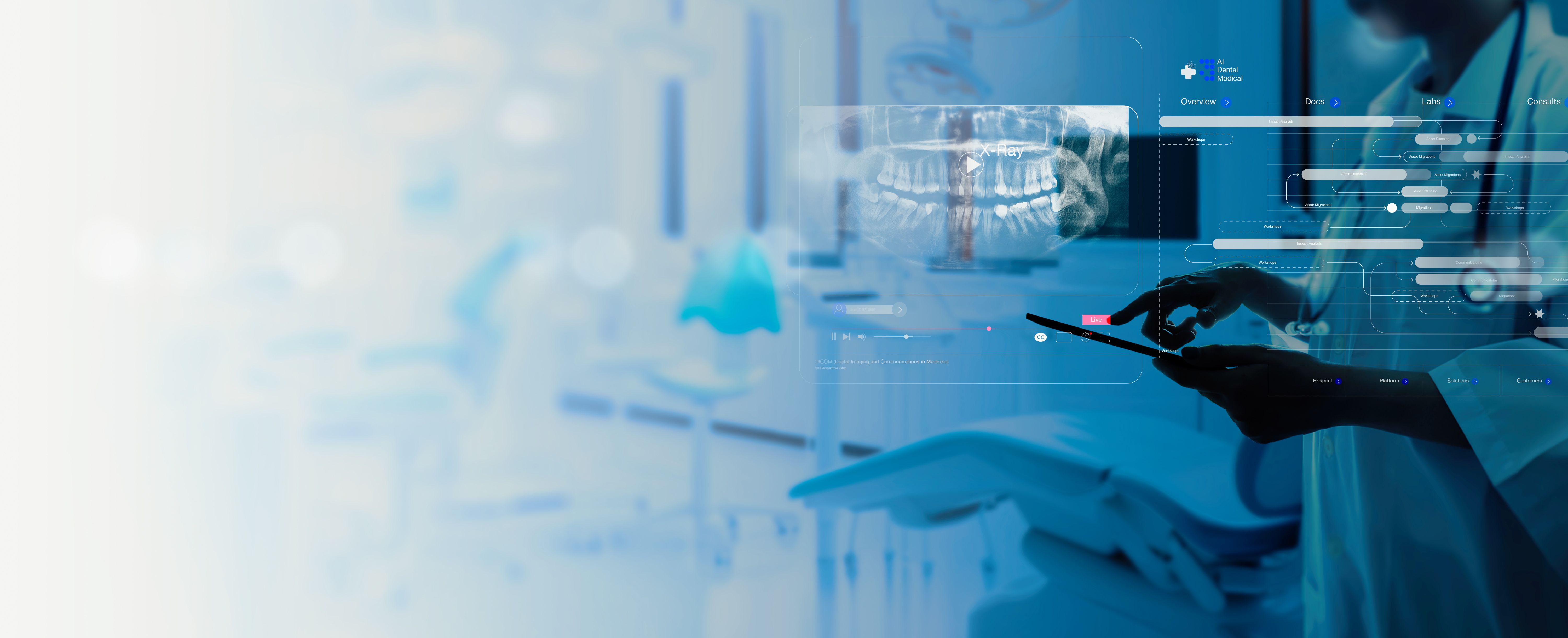
AI is playing a significant role in dental diagnostics and treatment planning. Machine learning algorithms can analyze X-rays and other diagnostic data to identify potential issues more accurately than traditional methods. This leads to earlier detection and more effective treatment plans.
Invisalign and Clear Aligners
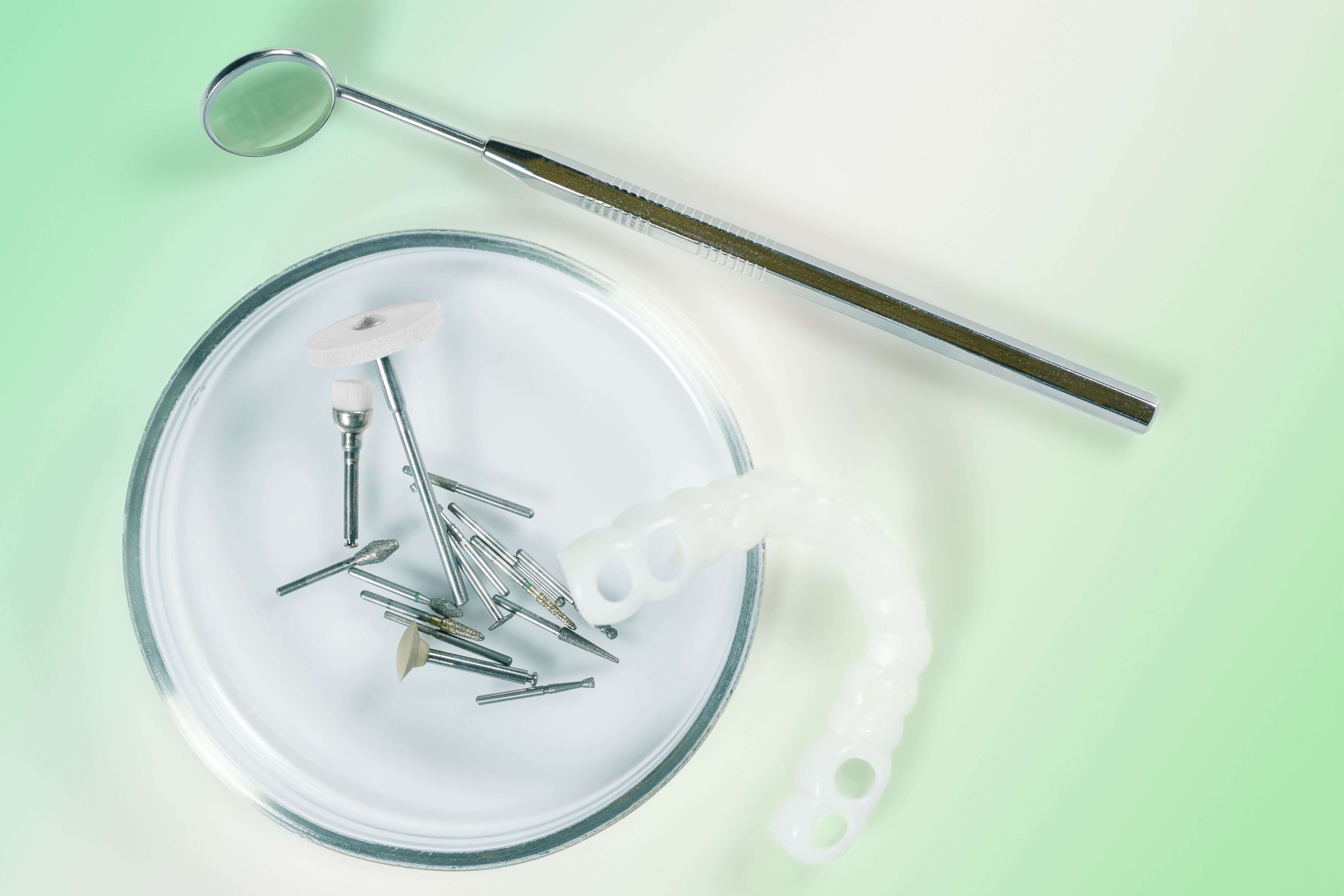
Invisalign and other clear aligners have transformed orthodontic treatment by providing a virtually invisible alternative to traditional braces. These aligners are not only aesthetically pleasing but also more comfortable and convenient for patients, allowing them to maintain their lifestyle without compromise.
Biocompatible Materials
The development of biocompatible materials is enhancing the success rates of dental implants and restorations. These materials integrate better with the body's natural tissues, reducing the risk of rejection and promoting faster healing. They are also designed to mimic the appearance and function of natural teeth.
Conclusion
Dental innovations are continuously improving the quality and accessibility of oral care. With advancements such as 3D printing, AI, and laser technology, patients can expect more personalized, efficient, and effective treatments. As these technologies evolve, the future of dentistry looks brighter than ever.