
The Impact of Namibia’s Climate on Your Dental Health


Understanding Namibia’s Climate
Namibia is known for its arid climate, with vast deserts and sparse rainfall. This unique environment can have diverse impacts on various aspects of daily life, including your dental health. Understanding how climate factors interplay with oral hygiene is crucial for maintaining a healthy smile.
The dry conditions prevalent in many parts of Namibia can lead to dehydration, which affects saliva production. Saliva is essential for maintaining oral health, as it helps neutralize acids and wash away food particles, reducing the risk of cavities and gum disease.

The Role of Dehydration in Oral Health
In a dry climate, it's easy to become dehydrated without realizing it. Dehydration reduces the flow of saliva, creating an environment where bacteria can thrive. This can lead to an increased risk of tooth decay and gum disease. It's important to stay hydrated by drinking plenty of water, especially in hot, arid conditions.
Moreover, consuming water with fluoride can help strengthen tooth enamel, providing additional protection against decay. Consider carrying a water bottle with you and taking regular sips throughout the day.

Sun Exposure and Oral Health
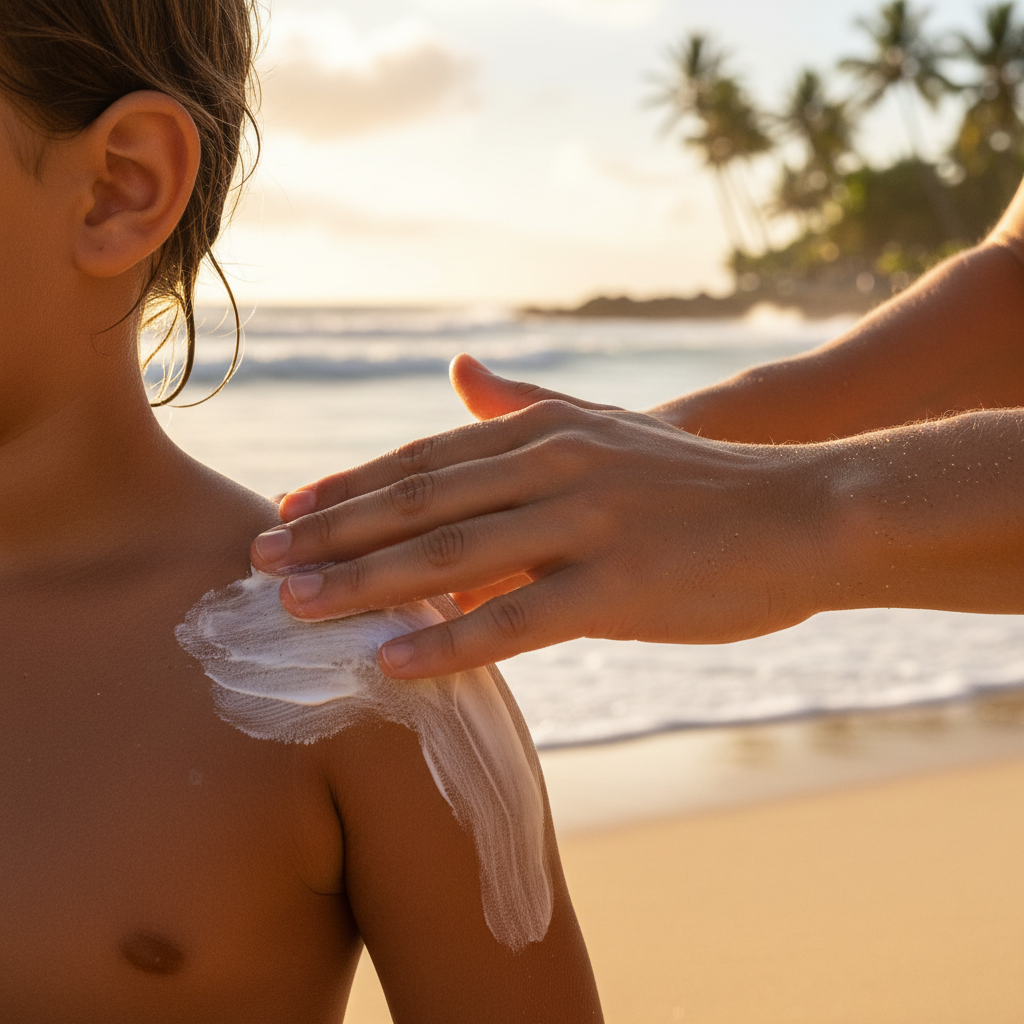
Namibia’s sunny climate means more exposure to ultraviolet (UV) rays, which can have implications for oral health. Prolonged exposure can increase the risk of lip cancer and other oral cancers. To protect yourself, use lip balm with SPF, wear a wide-brimmed hat, and try to stay in the shade during peak sun hours.
Regular dental check-ups are essential for early detection of any abnormal changes in your oral tissues. Dentists can conduct screenings and provide advice on protecting your oral health from sun damage.
Dust and Dental Concerns
The Namibian climate can also be dusty, particularly in desert areas. Dust can settle on your teeth and gums, contributing to plaque build-up. Regular brushing and flossing are vital in removing this debris and maintaining oral hygiene.
Using a mouthwash can also help rinse away particles and ensure your mouth stays fresh. Opt for a fluoride mouthwash to add an extra layer of protection against cavities.
Dietary Considerations in a Dry Climate
A dry climate can influence dietary habits, which in turn affect dental health. In Namibia, traditional diets may be high in carbohydrates and sugars, which can increase the risk of cavities. Being mindful of your diet and choosing tooth-friendly foods, like fresh fruits and vegetables, can help mitigate these risks.
Chewing sugar-free gum can also be beneficial, as it stimulates saliva production and helps clean teeth between meals.

Conclusion
Namibia's climate presents unique challenges for dental health, but with the right strategies, you can maintain a healthy smile. Stay hydrated, protect yourself from the sun, maintain good oral hygiene, and be mindful of your diet to ensure your teeth and gums remain healthy.
Regular visits to the dentist will also help in monitoring and addressing any climate-related dental issues promptly. Embracing these habits will not only improve your oral health but also enhance your overall well-being.