
Debunking Common Dental Myths: What You Really Need to Know


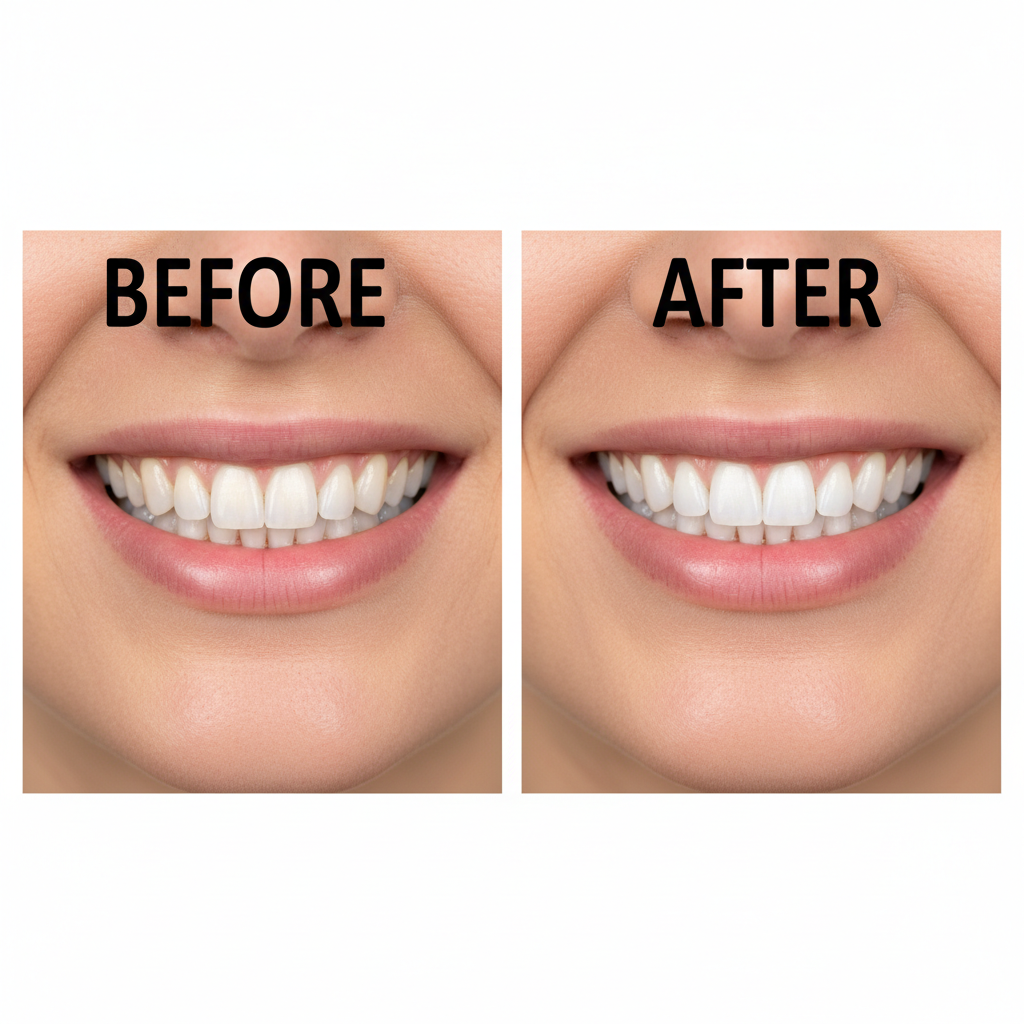
Myth 1: Whitening Damages Your Enamel
One of the most persistent myths is that teeth whitening can damage your enamel. In reality, modern whitening techniques are safe and effective when performed correctly. Professional whitening treatments are designed to lighten enamel without causing harm. However, overuse of at-home kits can lead to sensitivity, so it's best to consult your dentist for advice tailored to your needs.
Myth 2: You Don't Need to Visit the Dentist if Your Teeth Look Fine
Another common misconception is that dental visits are unnecessary if you're not experiencing any pain or visible issues. Regular dental check-ups are crucial for maintaining oral health. Dentists can detect problems you might not see or feel, such as cavities, gum disease, or oral cancer. Preventive care can save you from more extensive and costly treatments down the line.
Myth 3: Sugar Is the Only Culprit for Cavities
While sugar is a well-known contributor to cavities, it's not the sole cause. Cavities form when bacteria in the mouth feed on carbohydrates, producing acid that erodes enamel. This means foods like bread, pasta, and even some fruits can also contribute to tooth decay. Maintaining a balanced diet and practicing good oral hygiene are key to preventing cavities.

Myth 4: Brushing Harder Cleans Better
Many people believe that brushing harder will result in cleaner teeth, but this is not the case. Brushing too hard can damage your gums and wear down enamel. Instead, use a soft-bristled brush and gentle circular motions to effectively clean your teeth. Remember, it's about technique, not force.
Myth 5: Gum Disease Only Affects Your Mouth
Gum disease is often thought to be a localized issue, but it can have broader health implications. Research has linked periodontal disease to conditions such as heart disease, diabetes, and respiratory problems. This connection underscores the importance of maintaining good oral hygiene and seeking treatment for any gum issues.
Myth 6: Bad Breath Means Poor Hygiene
While poor oral hygiene can cause bad breath, it's not the only factor. Bad breath, or halitosis, can also result from certain foods, smoking, dry mouth, or medical conditions. If you're concerned about persistent bad breath, it's a good idea to consult your dentist to identify the underlying cause.
Myth 7: Baby Teeth Don't Matter
Some people think that since baby teeth will eventually fall out, they don't need much attention. However, healthy baby teeth are crucial for a child's development. They help with proper chewing, speech development, and space maintenance for permanent teeth. Ensuring your child's baby teeth are healthy sets the foundation for lifelong oral health.

Myth 8: You Shouldn't Brush Bleeding Gums
If your gums bleed during brushing, you might assume you should stop to avoid further irritation. In fact, bleeding gums can be a sign of gingivitis, an early stage of gum disease. It's important to continue brushing and flossing gently to remove plaque. If bleeding persists, consult your dentist for an evaluation and appropriate treatment.